Hardback, Paperback or Audiobook: Which Format Fits Your Reading Life?
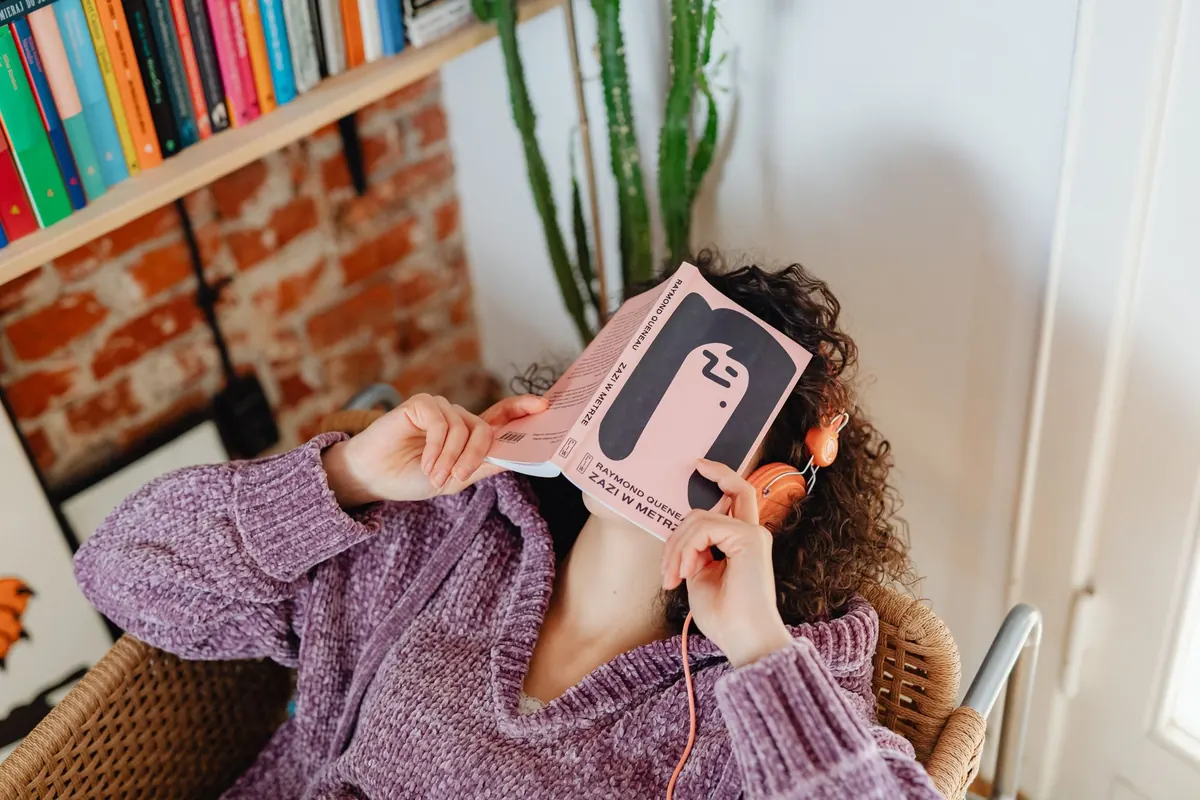
Some books arrive with a decision attached. You know you want to read it, but you don't yet know whether you want it on the shelf in hardback, in your bag as a paperback, or in your ears on the walk to work. The three formats aren't interchangeable, and choosing badly can turn a book you were excited about into one you never quite finish.
The choice is usually simpler than it looks. It comes down to four things: what you pay, how long you want the book to last, where you'll read it, and whether you'll want to write in it.
What each format is actually good at
A hardback is built to be kept. The boards protect the pages, the binding usually opens flat, and there's enough margin to pencil a note without crowding the text. It's also heavy, which is a minor issue at a desk and a real nuisance on a packed train.
A paperback is built to be carried. It bends, it fits in a coat pocket, it costs less, and a bit of rain won't ruin it. The trade-off is that a fat paperback is awkward to hold open one-handed, and the glue in the spine is the first thing to give way.
An audiobook is built to fill dead time. It turns the drive, the dog walk and the washing-up into reading hours, and a good narrator can carry you through a slow opening that you might have abandoned on the page. What it doesn't do well is let you flick back to check a name or find a line you half-remember.
Cost: what you're really paying for
Cover price is only one part of the picture, and it's rarely the deciding factor. Worth weighing up:
- Buying new. Hardbacks generally cost the most and paperbacks noticeably less. If you want a book the week it's published, you'll usually pay a premium for the hardback.
- Waiting for the paperback. Patience is the cheapest reading strategy there is: the same text, a year later, for less.
- Second-hand and charity shops. Paperbacks turn up everywhere; hardbacks do too, often in excellent condition because they were never carried anywhere.
- The library. A library card covers hardbacks and paperbacks, and many UK libraries lend audiobooks through an app. It remains the best value in reading by a wide margin.
- Subscriptions and credits. An audiobook subscription can be good value if you finish a book or more each month, and poor value if you don't. Check the cancellation terms before signing up and treat it like any other recurring expense.
Durability and the long shelf
Hardbacks win here, and it isn't close. Sewn bindings and rigid boards can take a dozen rereadings; the cover might scuff, but the book stays whole. Paperbacks manage two or three careful reads before the spine cracks and pages start to loosen. Cheap paper browns at the edges, so a paperback kept for twenty years looks its age even if you've barely opened it.
Audiobooks don't wear out in the physical sense — no cracked spines, no foxed pages. Their risk is different. Your library lives inside an account, and accounts depend on apps, devices and licences. If a service changes or closes, titles you thought of as yours may not travel with you. Keep that in mind for books you'd hate to lose.
Portability and reading on the move
Hardbacks are for desks, sofas and long Sunday afternoons. If your reading happens in twenty-minute pockets on buses and platforms, a paperback or an audiobook will simply get used more, because it's easier to have with you. This becomes obvious in winter: headphones work fine in gloves, a hardback doesn't.
Audiobooks also solve a specific problem print can't. Hands busy, eyes busy, mind free — cooking, cycling on a quiet route, folding laundry. The catch is that listening while doing something else means you'll occasionally drift. Most apps let you skip back fifteen or thirty seconds, which is usually enough to pick up the thread.
Note-taking, quoting and rereading
Hardback margins are the best annotation space of the three. You can write a sentence alongside a paragraph without fighting the layout. A paperback works if you use a pencil and accept cramped edges; sticky tabs along the top edge are easier than writing near the gutter.
Audiobooks let you bookmark and skip back, and most players let you nudge the speed up or down. That's excellent for keeping track of a plot and less good for capturing a sentence you want to remember. If you regularly quote what you read, or write about it, listening alone will frustrate you. A notebook beside you, or the print edition for the passages that matter, closes that gap neatly.
Which format suits your reading habit
Match the format to the reader you actually are, not the reader you'd like to be.
- You read one book at a time, slowly, and keep it afterwards. Hardback. You'll notice the binding and be glad of the margins.
- You read in short bursts — commute, lunch break, bath. Paperback. Cheap, bendy and easy to pick up again after a week away.
- You have long drives, a dog, or a job that fills your hands. Audiobook. This is where the format earns its place.
- You annotate, underline and reread. Hardbacks for keepers, paperbacks with a pencil for everything else.
- You're trying a new author or an unfamiliar genre. Paperback, or borrow the audiobook. Save the hardback for writers you already trust.
- It's a book club read with a deadline. Whichever format gets you to the last page by the meeting — often the audiobook at a slightly faster speed on the final evening.
- You read series and forget who's who. Print for the first book, then audio once the names have settled in your head.
A practical way to decide
Two questions settle most cases. First: where will I physically be when I read this? Second: will I want to look anything up later? Honest answers usually point in one direction, and if they conflict, buy the cheaper format and enjoy it.
You don't have to choose once and stay loyal. A common pattern is paperbacks for everyday reading, audiobooks for commutes and chores, and hardbacks reserved for books worth keeping. Owning a hardback of a novel you first loved as an audiobook is a perfectly sensible way to spend money.
If you're unsure about a title, borrow it before you buy it. Try a chapter in print and a chapter in audio, and see which one you reach for tomorrow. Reading the same book in two formats across a year isn't indecision — it's just getting the most out of it.